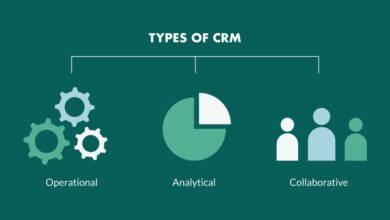
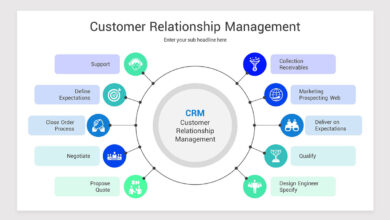
Looking for a smarter way to manage customer relationships? A cloud based CRM app isn’t just a trend—it’s a game-changer. Discover how this powerful tool can transform your business with real-time access, seamless collaboration, and unbeatable scalability—all from the cloud.
What Is a Cloud Based CRM App and Why It Matters

A cloud based CRM app is a customer relationship management system hosted on remote servers and accessible via the internet. Unlike traditional on-premise software, it eliminates the need for physical hardware, complex installations, and high maintenance costs. Instead, users can access their CRM data anytime, anywhere, using any internet-connected device.


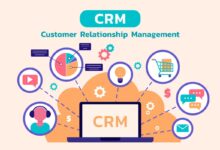



This shift to the cloud has revolutionized how businesses manage sales, marketing, and customer service. According to Gartner, the global CRM market is projected to exceed $103 billion in 2023, with cloud-based solutions dominating over 80% of deployments. This growth is fueled by the demand for agility, remote work capabilities, and data-driven decision-making.
How Cloud CRM Differs from On-Premise Systems
The fundamental difference lies in deployment and management. On-premise CRM systems require businesses to purchase licenses, install software on local servers, and manage updates and backups internally. This often involves significant upfront costs and IT overhead.
In contrast, a cloud based CRM app operates on a subscription model (SaaS—Software as a Service). The provider handles infrastructure, security, and updates, allowing businesses to focus on using the tool rather than maintaining it. This model is especially beneficial for small to mid-sized businesses that lack dedicated IT teams.
- Lower initial investment
- Faster deployment (often within days)
- Automatic software updates
- Scalability based on user count or features
“The cloud has democratized CRM technology, making enterprise-grade tools accessible to startups and global corporations alike.” — TechCrunch, 2023
Core Components of a Modern Cloud CRM
A robust cloud based CRM app typically integrates three core modules: sales automation, marketing automation, and customer service management. These components work together to create a unified view of the customer journey.
Sales automation tracks leads, manages pipelines, and automates follow-ups. Marketing automation enables targeted email campaigns, lead scoring, and campaign performance analytics. Customer service tools include ticketing systems, knowledge bases, and live chat integration.
Advanced platforms also incorporate AI-powered insights, predictive analytics, and mobile access, ensuring teams stay connected and informed. For example, Salesforce Sales Cloud uses Einstein AI to recommend next-best actions for sales reps based on historical data.
Top 7 Benefits of Using a Cloud Based CRM App
Adopting a cloud based CRM app offers transformative advantages that go beyond simple contact management. From boosting team productivity to enhancing customer satisfaction, these platforms are designed to drive growth and efficiency across departments.
1. Real-Time Data Access and Collaboration
One of the most powerful features of a cloud based CRM app is real-time data synchronization. When a sales rep updates a lead status in California, a manager in London sees the change instantly. This eliminates data silos and ensures everyone works with the most current information.
Teams can collaborate directly within the CRM—adding notes, assigning tasks, and sharing files. This transparency improves accountability and reduces miscommunication. Tools like Slack and Microsoft Teams often integrate seamlessly, enabling notifications and chat within the CRM workflow.
- Instant updates across all devices
- Centralized communication logs
- Role-based access control for security
2. Cost Efficiency and Predictable Pricing
Traditional CRM systems can cost tens of thousands of dollars in software, hardware, and IT labor. A cloud based CRM app replaces this with a predictable monthly or annual subscription fee.
Most providers offer tiered pricing based on features and user count, allowing businesses to scale up or down as needed. For instance, Zoho CRM starts at $14/user/month, making it accessible for small teams. There are no hidden costs for server maintenance or software patches.
This financial flexibility is crucial for startups and growing businesses. It converts capital expenditure (CapEx) into operational expenditure (OpEx), improving cash flow and budgeting accuracy.
3. Rapid Deployment and Easy Integration
While on-premise CRM implementations can take months, a cloud based CRM app can be up and running in as little as 48 hours. Providers offer guided setup wizards, pre-built templates, and onboarding support to accelerate adoption.
Integration with existing tools is another strength. Most cloud CRMs support APIs and native connectors for popular platforms like Gmail, Outlook, QuickBooks, Shopify, and HubSpot. This ensures data flows smoothly between systems without manual entry.
cloud based crm app – Cloud based crm app menjadi aspek penting yang dibahas di sini.
For example, integrating your CRM with Mailchimp allows you to sync contact lists and track email campaign performance directly within the CRM interface, reducing duplication and errors.
“We went live with our cloud CRM in under a week. The speed of implementation was a major factor in our decision.” — Marketing Director, Mid-Sized SaaS Company
How to Choose the Right Cloud Based CRM App for Your Business
Selecting the best cloud based CRM app requires careful evaluation of your business needs, team size, industry, and long-term goals. With dozens of options available, it’s easy to feel overwhelmed. A structured approach can help you make an informed decision.
Assess Your Business Requirements
Start by identifying your primary pain points. Are you struggling with lead tracking? Do your sales and marketing teams work in silos? Is customer support response time too slow?
Create a list of must-have features. For a sales-focused team, pipeline management and forecasting tools are critical. For customer service, look for ticketing systems and SLA tracking. Marketing teams benefit from campaign automation and analytics.
Also consider scalability. Will the CRM support your growth in the next 3–5 years? Can it handle increased data volume and user count without performance issues?
Evaluate User Experience and Training Needs
No matter how powerful a CRM is, it’s useless if your team won’t use it. A user-friendly interface is essential for high adoption rates. Look for platforms with intuitive navigation, mobile apps, and customizable dashboards.
Check if the provider offers training resources—video tutorials, knowledge bases, webinars, or live onboarding sessions. Some vendors, like Microsoft Dynamics 365, include free training modules as part of their subscription.
Conduct a pilot test with a small group of users. Gather feedback on ease of use, feature relevance, and workflow integration before rolling it out company-wide.
Compare Security, Compliance, and Support
Security is a top concern when storing sensitive customer data in the cloud. Ensure the CRM provider complies with industry standards like GDPR, HIPAA, or SOC 2. Look for features like data encryption (at rest and in transit), two-factor authentication, and regular security audits.
Customer support quality can make or break your experience. Check if the provider offers 24/7 support via phone, chat, and email. Read reviews on platforms like G2 or Capterra to gauge real user satisfaction.
Also, review the service level agreement (SLA). What uptime guarantee do they offer? Most reputable providers promise 99.9% or higher.
Top 5 Cloud Based CRM Apps in 2024
The market is crowded with CRM solutions, but a few stand out for their features, reliability, and user satisfaction. Here’s a breakdown of the top five cloud based CRM app platforms dominating the industry in 2024.
1. Salesforce Sales Cloud
Salesforce remains the gold standard in cloud CRM. Its Sales Cloud offers comprehensive tools for lead and opportunity management, forecasting, and AI-driven insights. With over 150,000 customers worldwide, it’s trusted by enterprises and small businesses alike.
Key features include Einstein Analytics, workflow automation, and a vast AppExchange ecosystem with thousands of integrations. While powerful, it can be complex and costly for small teams.
Best for: Medium to large businesses seeking scalability and deep customization.
2. HubSpot CRM
HubSpot CRM is a favorite among startups and small businesses due to its free plan and user-friendly interface. It offers contact management, email tracking, meeting scheduling, and basic sales automation—all at no cost.
cloud based crm app – Cloud based crm app menjadi aspek penting yang dibahas di sini.
Paid tiers add marketing automation, customer service hubs, and advanced reporting. HubSpot’s strength lies in its seamless integration between marketing, sales, and service tools.
Best for: SMBs and marketing-driven organizations.
3. Zoho CRM
Zoho CRM strikes a balance between affordability and functionality. It offers AI-powered sales assistant (Zia), multichannel communication, and workflow automation. Its pricing is highly competitive, starting at $14/user/month.
Zoho also integrates well with other Zoho apps (like Books, Campaigns, and Desk), making it ideal for businesses already in the Zoho ecosystem.
Best for: Budget-conscious businesses needing robust automation.
4. Microsoft Dynamics 365
Dynamics 365 is a powerful choice for organizations already using Microsoft 365. It integrates tightly with Outlook, Teams, and Excel, reducing the learning curve for users.
It offers strong sales, service, and marketing modules, along with AI and IoT capabilities. However, implementation can be complex and may require third-party consultants.
Best for: Enterprises using Microsoft ecosystems.
5. Pipedrive
Pipedrive is designed for sales teams that prioritize pipeline visibility. Its visual sales pipeline makes it easy to track deals and forecast revenue. It’s intuitive, mobile-friendly, and great for small sales teams.
While it lacks some advanced marketing features, its focus on sales efficiency makes it a top choice for sales-driven startups.
Best for: Small sales teams focused on deal tracking.
“Pipedrive helped us increase our conversion rate by 35% in just three months.” — Sales Manager, Tech Startup
Key Features to Look for in a Cloud Based CRM App
Not all cloud based CRM app platforms are created equal. To get the most value, focus on features that align with your business goals. Here are the essential capabilities you should evaluate.
Automation and Workflow Management
Automation reduces manual tasks like data entry, follow-up emails, and task assignments. Look for tools that allow you to create custom workflows—such as sending a welcome email when a lead is tagged as ‘hot’ or assigning a support ticket to the right agent based on issue type.
Advanced CRMs offer conditional logic and triggers, enabling complex automation without coding. This saves time and ensures consistency in customer interactions.
- Automated email sequences
- Task and reminder scheduling
- Lead assignment rules
Mobile Accessibility and Offline Mode
Today’s workforce is mobile. A cloud based CRM app must offer a fully functional mobile app for iOS and Android. Sales reps should be able to log calls, update deals, and access customer history while on the go.
Some platforms, like Salesforce and Zoho, offer offline mode—allowing users to view and edit data without internet access. Changes sync automatically once connectivity is restored.
cloud based crm app – Cloud based crm app menjadi aspek penting yang dibahas di sini.
Ensure the mobile app supports biometric login, push notifications, and camera integration for quick document uploads.
Analytics, Reporting, and AI Insights
Data is only valuable if you can understand it. A good CRM provides customizable dashboards, real-time reports, and drill-down capabilities. You should be able to track KPIs like conversion rates, sales cycle length, and customer lifetime value.
AI-powered insights take this further. For example, Salesforce Einstein predicts which leads are most likely to convert, while HubSpot’s AI suggests optimal email send times.
Look for drag-and-drop report builders and the ability to export data to Excel or BI tools like Power BI or Tableau.
Common Challenges and How to Overcome Them
Despite their benefits, cloud based CRM app implementations can face hurdles. Awareness and preparation are key to overcoming these challenges.
User Adoption Resistance
One of the biggest obstacles is employee resistance. Teams may see CRM as extra work or fear being monitored. To combat this, involve users early in the selection process and communicate the benefits clearly.
Provide hands-on training and appoint internal champions to advocate for the system. Start with a phased rollout—begin with one department before expanding company-wide.
Highlight time-saving features, like auto-logging calls or calendar sync, to show immediate value.
Data Migration and Quality Issues
Migrating data from spreadsheets or legacy systems can be messy. Duplicate records, missing fields, and inconsistent formatting are common.
Before migration, clean your data: remove duplicates, standardize formats (e.g., phone numbers, addresses), and define field mappings. Most CRM providers offer migration tools or partner with third-party services like Import2 to simplify the process.
After migration, run audits to ensure data accuracy and completeness.
Integration Complexity with Existing Tools
While most CRMs offer integrations, not all are seamless. Some require API configuration or custom development, which can delay implementation.
Before choosing a CRM, verify that it integrates natively with your core tools (email, calendar, ERP, e-commerce). If not, check if third-party integration platforms like Zapier or Make (formerly Integromat) can bridge the gap.
Test integrations in a sandbox environment before going live.
“Integration issues caused a two-week delay in our CRM launch. We now prioritize compatibility in all software decisions.” — IT Manager, E-commerce Brand
Future Trends Shaping Cloud Based CRM Apps
The CRM landscape is evolving rapidly, driven by AI, automation, and changing customer expectations. Staying ahead of these trends ensures your business remains competitive.
AI and Predictive Analytics
AI is no longer a luxury—it’s a necessity. Future cloud based CRM app platforms will leverage machine learning to predict customer behavior, recommend next steps, and even draft emails.
cloud based crm app – Cloud based crm app menjadi aspek penting yang dibahas di sini.
For example, AI can analyze past interactions to suggest the best time to call a lead or identify at-risk customers before they churn.
Expect more no-code AI tools, allowing non-technical users to build predictive models within the CRM.
Hyper-Personalization and Customer Journey Mapping
Customers expect personalized experiences. CRMs will increasingly use real-time data to deliver tailored content, offers, and support.
Advanced journey mapping tools will visualize every touchpoint—from first website visit to post-purchase support—enabling businesses to optimize each stage.
This requires integrating CRM with web analytics, social media, and customer feedback platforms.
Vertical-Specific CRM Solutions
Generic CRMs are giving way to industry-specific solutions. Real estate, healthcare, and education sectors now have CRMs tailored to their unique workflows.
For example, a real estate CRM might include property listing sync, showing schedules, and commission tracking. These specialized tools reduce customization needs and improve user adoption.
Expect more niche players to emerge, offering deep functionality for specific industries.
Implementing Your Cloud Based CRM App: A Step-by-Step Guide
Successful CRM implementation requires planning, execution, and ongoing optimization. Follow this step-by-step guide to ensure a smooth rollout.
Step 1: Define Goals and KPIs
Start by defining what success looks like. Are you aiming to increase lead conversion by 20%? Reduce response time to customer inquiries? Improve sales forecasting accuracy?
Set measurable KPIs and align them with your CRM objectives. This helps track progress and justify the investment.
Step 2: Clean and Prepare Your Data
Garbage in, garbage out. Before importing data, audit your existing records. Remove duplicates, standardize naming conventions, and fill in missing fields.
Use tools like Excel or CRM-native data cleaners to prepare your dataset. This step can take time but pays off in data accuracy and system performance.
Step 3: Customize and Configure the CRM
Map your sales, marketing, and service processes to the CRM. Create custom fields, pipelines, and workflows that reflect your business logic.
Set up user roles and permissions to ensure data security. For example, restrict financial data access to managers only.
Use sandbox environments to test configurations before going live.
cloud based crm app – Cloud based crm app menjadi aspek penting yang dibahas di sini.
Step 4: Train Your Team and Launch
Conduct role-based training sessions. Sales teams need pipeline training; support teams need ticketing workflows.
Provide quick-reference guides and offer post-launch support. Monitor usage metrics to identify adoption gaps.
Start with a soft launch—let a pilot group use the system for a week before full rollout.
Step 5: Monitor, Optimize, and Scale
After launch, review reports weekly. Are teams logging activities? Are leads moving through the pipeline?
Gather feedback and make adjustments. Add new automation rules, refine dashboards, or integrate additional tools as needed.
As your business grows, scale your CRM by adding users, modules, or advanced features.
“Our CRM wasn’t perfect on day one, but continuous optimization made it indispensable.” — CEO, B2B Services Firm
What is a cloud based CRM app?
A cloud based CRM app is a web-hosted customer relationship management system that allows businesses to manage interactions with customers and prospects online. It eliminates the need for on-site servers and enables access from any device with internet connectivity.
Is a cloud CRM secure?
Yes, reputable cloud based CRM app providers use advanced security measures like encryption, multi-factor authentication, and regular audits to protect data. They often comply with global standards like GDPR and SOC 2, making them more secure than many on-premise systems.
Can I integrate a cloud CRM with my existing tools?
Absolutely. Most cloud CRMs offer native integrations with email, calendars, marketing tools, and e-commerce platforms. They also support APIs and third-party connectors like Zapier for custom integrations.
How much does a cloud CRM cost?
Prices vary by provider and features. Entry-level plans start at $10–$15 per user/month (e.g., HubSpot, Zoho), while enterprise solutions like Salesforce can exceed $300/user/month. Many offer free tiers with basic functionality.
Do I need IT support to use a cloud CRM?
Not necessarily. Cloud CRMs are designed for ease of use and self-service setup. Most providers offer onboarding support, tutorials, and customer service. However, complex customizations may require IT or consultant assistance.
cloud based crm app – Cloud based crm app menjadi aspek penting yang dibahas di sini.
Choosing the right cloud based CRM app can transform how your business engages with customers. From real-time collaboration to AI-driven insights, these platforms offer powerful tools to boost efficiency, improve sales, and enhance customer satisfaction. By understanding your needs, evaluating top options, and following a structured implementation plan, you can unlock the full potential of cloud CRM technology. The future of customer relationship management is in the cloud—don’t get left behind.
Further Reading: