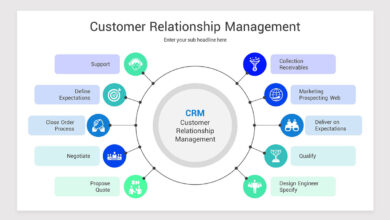
In today’s data-driven business world, a CRM base de donnee isn’t just a tool—it’s a strategic powerhouse. Discover how it transforms customer relationships, boosts sales, and fuels growth with precision and power.
Understanding CRM Base de Donnee: The Core Concept
-ppt-PowerPoint-Presentation-Template003.jpg?v=1?w=1200)
A CRM base de donnee, or customer relationship management database, is the backbone of modern customer engagement. It’s a centralized digital repository that stores, organizes, and manages all customer-related data—ranging from contact information and purchase history to communication logs and behavioral patterns. This system enables businesses to maintain consistent, personalized, and efficient interactions with their clients.






What Is a CRM Base de Donnee?
At its essence, a CRM base de donnee is more than just a digital address book. It’s a dynamic, intelligent system that captures every interaction a customer has with a brand. Whether it’s an email exchange, a support ticket, a social media mention, or a sales call, all these touchpoints are logged and analyzed. This allows companies to build a 360-degree view of each customer, enabling deeper understanding and more effective engagement.
- Stores contact details, transaction history, and preferences
- Tracks customer interactions across multiple channels
- Enables segmentation and targeted marketing
According to Salesforce, over 91% of companies with more than 10 employees now use CRM systems, highlighting the widespread adoption and importance of a well-structured CRM base de donnee.
How It Differs from Traditional Databases
While traditional databases focus on storing structured data for operational purposes (like inventory or payroll), a CRM base de donnee is specifically designed for customer-centric operations. It integrates real-time analytics, automation, and user-friendly interfaces to support sales, marketing, and customer service teams.
“A CRM database doesn’t just store data—it interprets it to drive action.”
Unlike generic databases, CRM systems are built with workflows that trigger actions—such as sending a follow-up email after a demo or escalating a support ticket based on customer value. This proactive functionality sets CRM apart as a strategic asset rather than a passive storage system.
The Evolution of CRM Base de Donnee Systems
The journey of CRM base de donnee systems reflects the broader evolution of technology and customer expectations. From simple contact lists in the 1980s to AI-powered platforms today, CRM databases have undergone a radical transformation.
From Rolodex to Cloud: A Historical Overview
In the early days, customer information was stored in physical files or basic digital spreadsheets. Sales teams relied on memory and manual notes to track relationships. The 1990s saw the rise of client-server CRM systems like Siebel, which introduced centralized databases. However, these were expensive, complex, and required extensive IT support.
The real game-changer came in the 2000s with the advent of cloud computing. Companies like Salesforce pioneered web-based CRM platforms, making CRM base de donnee systems accessible, scalable, and affordable. Today, cloud CRM dominates the market, with Gartner reporting that cloud CRM accounted for over 80% of total CRM revenue in 2022.
Modern CRM: AI, Automation, and Integration
Today’s CRM base de donnee systems are intelligent, adaptive, and interconnected. They leverage artificial intelligence (AI) to predict customer behavior, automate repetitive tasks, and recommend next-best actions. For example, AI can analyze past purchases to suggest upsell opportunities or flag at-risk customers for retention campaigns.
- AI-driven insights and predictive analytics
- Automated workflows for sales and marketing
- Seamless integration with email, social media, and ERP systems
Platforms like HubSpot, Zoho CRM, and Microsoft Dynamics 365 now offer built-in AI tools that learn from user behavior and customer data, continuously improving accuracy and relevance.
Key Components of a CRM Base de Donnee
A robust CRM base de donnee is composed of several interconnected modules, each serving a specific business function. These components work together to create a unified customer experience.
Customer Data Management
This is the foundation of any CRM base de donnee. It involves collecting, cleaning, and organizing customer data from multiple sources—website forms, social media, email campaigns, and offline interactions. Data quality is critical; inaccurate or duplicate entries can undermine marketing efforts and damage customer trust.
Modern CRM systems include data validation tools, deduplication features, and real-time synchronization to ensure accuracy. For instance, tools like Zoho CRM offer AI-powered data enrichment that automatically fills in missing information from public sources.
Sales Force Automation
This module streamlines the sales process by automating tasks such as lead tracking, opportunity management, and pipeline reporting. Sales teams can log calls, schedule follow-ups, and update deal stages directly within the CRM base de donnee, reducing administrative overhead and improving visibility.
“Sales teams using CRM automation close deals 29% faster on average.” — Nucleus Research
Features like automated email sequences, task reminders, and forecasting tools help sales reps stay organized and focused on high-value activities.
Marketing and Campaign Management
A CRM base de donnee enables precise targeting and personalization in marketing campaigns. By segmenting customers based on demographics, behavior, or purchase history, marketers can deliver tailored messages that resonate.
- Create dynamic email campaigns with personalized content
- Track campaign performance in real time
- Score leads based on engagement and readiness to buy
Integration with tools like Mailchimp or ActiveCampaign allows for seamless execution of multi-channel campaigns directly from the CRM interface.
Benefits of Implementing a CRM Base de Donnee
Organizations that invest in a CRM base de donnee gain a competitive edge through improved efficiency, deeper customer insights, and enhanced collaboration across departments.
Improved Customer Relationships
With a complete view of each customer, businesses can deliver more personalized and timely service. For example, a support agent can instantly see a customer’s past purchases and previous support issues, allowing for faster resolution and a more empathetic interaction.
According to a study by Nucleus Research, companies using CRM report a 34% improvement in customer satisfaction scores.
Increased Sales Efficiency
CRM systems reduce the time sales reps spend on administrative tasks by up to 40%, according to Salesforce. By automating data entry, follow-up reminders, and reporting, sales teams can focus on building relationships and closing deals.
A CRM base de donnee also provides real-time visibility into the sales pipeline, helping managers identify bottlenecks and forecast revenue more accurately.
Enhanced Data-Driven Decision Making
With access to real-time analytics and dashboards, executives can make informed decisions based on actual customer behavior rather than intuition. For example, a marketing team can see which campaigns generate the highest ROI and adjust their strategy accordingly.
- Track KPIs like customer acquisition cost (CAC) and lifetime value (LTV)
- Identify trends in customer churn or product preferences
- Optimize resource allocation based on performance data
This data-centric approach leads to more strategic planning and better business outcomes.
Challenges in Managing a CRM Base de Donnee
Despite its many advantages, implementing and maintaining a CRM base de donnee comes with challenges that organizations must address to realize its full potential.
Data Quality and Integrity Issues
Poor data quality is one of the biggest obstacles to CRM success. Inaccurate, incomplete, or outdated information can lead to failed campaigns, miscommunication, and lost opportunities. A 2021 Experian report found that 92% of organizations acknowledge data quality issues, with 39% saying it significantly impacts their bottom line.
To combat this, businesses must establish data governance policies, conduct regular audits, and use CRM tools with built-in data cleansing capabilities.
User Adoption and Training
Even the most advanced CRM base de donnee is useless if employees don’t use it. Resistance to change, lack of training, and poor user experience are common barriers to adoption.
“Over 40% of CRM projects fail due to low user adoption.” — CSO Insights
Successful implementation requires comprehensive training, clear communication of benefits, and ongoing support. Involving end-users in the selection and design process can also increase buy-in and usability.
Integration with Existing Systems
Many organizations struggle to integrate their CRM base de donnee with other business systems like ERP, e-commerce platforms, or legacy databases. Without seamless integration, data silos persist, undermining the goal of a unified customer view.
- Use APIs and middleware for smooth data flow
- Choose CRM platforms with pre-built connectors
- Invest in integration specialists for complex environments
Platforms like Microsoft Dynamics 365 offer native integration with Office 365 and Azure, reducing friction and improving interoperability.
Best Practices for Optimizing Your CRM Base de Donnee
To maximize the value of a CRM base de donnee, organizations should follow proven strategies that ensure data accuracy, user engagement, and continuous improvement.
Regular Data Audits and Cleansing
Schedule periodic reviews of your CRM data to identify duplicates, outdated entries, and inconsistencies. Many CRM systems offer automated tools for deduplication and validation. For example, Salesforce’s Data.com Clean service helps maintain data hygiene by comparing records against a global database.
Best practices include:
- Set up validation rules for data entry
- Assign ownership of data maintenance to specific teams
- Use batch processing to clean large datasets efficiently
Leveraging Automation and AI
Take full advantage of automation features to reduce manual work and improve accuracy. Automate routine tasks like lead assignment, follow-up emails, and report generation. AI-powered tools can analyze customer sentiment, predict churn, and recommend personalized offers.
For instance, HubSpot’s CRM uses machine learning to score leads based on their likelihood to convert, helping sales teams prioritize their efforts.
Customization and Scalability
A one-size-fits-all approach rarely works. Customize your CRM base de donnee to match your business processes, industry needs, and growth trajectory. Most modern CRM platforms offer flexible customization options—custom fields, workflows, dashboards, and reports.
“A well-customized CRM can increase productivity by up to 34%.” — Salesforce
Ensure your system is scalable so it can grow with your business, supporting more users, data, and integrations over time.
Future Trends in CRM Base de Donnee Technology
The future of CRM base de donnee systems is shaped by emerging technologies and evolving customer expectations. Businesses that stay ahead of these trends will gain a significant competitive advantage.
AI and Predictive Analytics
AI will continue to play a central role in CRM evolution. Future systems will not only analyze past behavior but also predict future actions with high accuracy. For example, AI could forecast which customers are likely to upgrade their subscription or which products will trend in the next quarter.
These insights will enable proactive engagement, such as sending personalized offers before a customer even considers shopping elsewhere.
Hyper-Personalization and Customer Journey Mapping
CRM systems will increasingly focus on delivering hyper-personalized experiences across every touchpoint. By mapping the entire customer journey—from awareness to advocacy—businesses can deliver the right message at the right time through the right channel.
- Use behavioral data to tailor content and offers
- Orchestrate multi-channel interactions seamlessly
- Anticipate customer needs based on context and history
This level of personalization builds loyalty and increases customer lifetime value.
Privacy, Security, and Compliance
As data privacy regulations like GDPR and CCPA become more stringent, CRM base de donnee systems must prioritize security and compliance. Future platforms will include advanced encryption, consent management, and audit trails to ensure data protection.
Organizations must also be transparent with customers about how their data is used, building trust and reinforcing brand integrity.
What is a CRM base de donnee?
A CRM base de donnee is a centralized digital system that stores and manages all customer-related information, enabling businesses to improve relationships, streamline sales, and deliver personalized marketing.
Why is data quality important in a CRM base de donnee?
Poor data quality leads to inaccurate reporting, failed campaigns, and poor customer experiences. Maintaining clean, up-to-date data ensures reliable insights and effective decision-making.
How does AI enhance a CRM base de donnee?
AI enhances CRM systems by automating tasks, predicting customer behavior, scoring leads, and recommending next-best actions, making interactions more efficient and personalized.
What are common challenges in CRM implementation?
Common challenges include low user adoption, data silos, integration issues, and poor data quality. These can be mitigated through training, governance, and choosing the right platform.
How can businesses ensure CRM success?
Businesses can ensure CRM success by focusing on user training, data hygiene, system customization, and continuous optimization based on feedback and performance metrics.
In conclusion, a CRM base de donnee is far more than a digital rolodex—it’s a strategic engine for customer-centric growth. By understanding its components, overcoming implementation challenges, and leveraging emerging technologies, businesses can unlock powerful insights, improve efficiency, and build lasting customer relationships. The future of CRM lies in intelligence, personalization, and integration, making it an indispensable tool for any organization aiming for long-term success.
Further Reading: