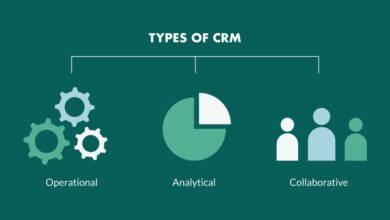
In today’s hyper-connected business world, a CRM based platform isn’t just a tool—it’s a strategic powerhouse. It transforms how companies engage customers, streamline operations, and drive revenue. Let’s dive into why it’s a game-changer.
What Is a CRM Based Platform?

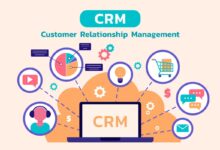
A CRM based platform stands for Customer Relationship Management system designed to centralize customer interactions, sales processes, and marketing efforts. It acts as the digital backbone for businesses aiming to build stronger relationships and improve customer retention. Unlike standalone tools, a CRM based platform integrates data from multiple channels—email, social media, phone, and live chat—into one unified interface.




Core Definition and Functionality
At its core, a CRM based platform collects, organizes, and analyzes customer data throughout the entire lifecycle—from lead generation to post-sale support. It enables businesses to track every touchpoint, ensuring no opportunity slips through the cracks. According to Investopedia, CRM systems help companies manage customer data, improve service relationships, and boost sales productivity.
- Centralizes customer information across departments
- Automates repetitive tasks like follow-ups and data entry
- Provides real-time analytics for informed decision-making
Evolution of CRM Systems
The journey of CRM began in the 1980s with simple contact management systems. Over time, it evolved into robust platforms powered by AI, cloud computing, and machine learning. Early CRMs were on-premise and limited in scope. Today’s CRM based platform is cloud-native, scalable, and deeply integrated with other enterprise systems like ERP and marketing automation tools.
As noted by Gartner, modern CRM solutions are no longer just sales tools—they are strategic assets that influence marketing, service, and even product development.
“CRM is not just software; it’s a business strategy focused on building long-term customer relationships.” — Paul Greenberg, CRM Authority
Why Every Business Needs a CRM Based Platform
From startups to Fortune 500 companies, organizations across industries are adopting a CRM based platform to stay competitive. The reason? It directly impacts customer satisfaction, operational efficiency, and revenue growth. In an era where customer experience is king, having a 360-degree view of your clients is non-negotiable.
Improving Customer Experience
A CRM based platform empowers teams to deliver personalized experiences at scale. By storing customer preferences, purchase history, and communication logs, support agents can resolve issues faster and more effectively. For example, if a customer contacts support, the agent instantly sees past interactions, eliminating the need to repeat information.
- Enables personalized communication based on behavior and history
- Reduces response time with automated ticket routing
- Increases first-contact resolution rates
Boosting Sales Efficiency
Sales teams thrive on visibility and predictability. A CRM based platform provides real-time dashboards, pipeline tracking, and lead scoring—giving managers insight into performance and bottlenecks. Tools like Salesforce and HubSpot CRM offer predictive analytics that forecast deal closures based on historical data.
According to a study by Nucleus Research, businesses gain an average of $8.71 for every dollar spent on CRM, thanks to increased sales productivity and reduced operational costs.
Key Features of a Modern CRM Based Platform
Today’s CRM based platform goes far beyond contact management. It’s a comprehensive ecosystem that supports sales, marketing, service, and analytics. Let’s explore the essential features that make these platforms indispensable.
Contact and Lead Management
This is the foundation of any CRM based platform. It allows businesses to capture leads from websites, social media, and events, then nurture them through automated workflows. Leads are scored based on engagement, helping sales prioritize high-potential prospects.
- Automated lead capture via web forms and landing pages
- Lead scoring and segmentation for targeted outreach
- Duplicate detection to maintain clean databases
Sales Pipeline Automation
A CRM based platform visualizes the sales funnel, showing where each deal stands—prospecting, negotiation, or closing. Automation tools trigger follow-up emails, schedule calls, and send reminders, reducing manual work and human error.
For instance, platforms like Zoho CRM use AI-driven assistants to suggest the best time to contact a lead, increasing conversion chances. This level of automation ensures no opportunity is missed, especially in high-volume sales environments.
Top CRM Based Platforms in 2024
With dozens of options available, choosing the right CRM based platform can be overwhelming. Here’s a breakdown of the most powerful and widely adopted platforms this year.
Salesforce: The Industry Leader
Salesforce remains the gold standard in CRM based platforms, powering over 150,000 companies worldwide. Its strength lies in scalability, customization, and a vast app ecosystem via the AppExchange. From small businesses to enterprises, Salesforce adapts to diverse needs.
- AI-powered Einstein Analytics for forecasting
- Seamless integration with Slack, MuleSoft, and third-party apps
- Strong mobile app for on-the-go access
Learn more at salesforce.com.
HubSpot CRM: Best for Startups and SMBs
HubSpot offers a free, user-friendly CRM based platform that’s perfect for growing businesses. It combines CRM functionality with marketing, sales, and service hubs, making it a true all-in-one solution. Its intuitive interface reduces training time and accelerates adoption.
- Free plan with essential CRM features
- Powerful email tracking and meeting scheduling
- Seamless integration with Gmail and Outlook
Explore HubSpot at hubspot.com.
How to Choose the Right CRM Based Platform
Selecting a CRM based platform isn’t a one-size-fits-all decision. It requires careful evaluation of your business size, industry, goals, and technical capabilities. Here’s a step-by-step guide to making the right choice.
Assess Your Business Needs
Start by identifying your pain points. Are you struggling with lost leads? Poor customer follow-up? Disconnected teams? Define what you want to achieve—better sales tracking, improved marketing ROI, or enhanced customer service.
- List must-have features (e.g., email integration, reporting)
- Determine user count and departmental requirements
- Consider future scalability needs
Evaluate Integration Capabilities
A CRM based platform should work seamlessly with your existing tools—email, calendar, accounting software, and e-commerce platforms. Poor integration leads to data silos and inefficiencies. Look for native integrations or APIs that allow smooth data flow.
For example, if you use Shopify, ensure your CRM can sync customer orders and behavior automatically. Platforms like Pipedrive and Freshsales offer pre-built connectors for popular tools, reducing setup time.
Implementing a CRM Based Platform Successfully
Even the best CRM based platform will fail without proper implementation. Success depends on planning, training, and change management. Rushing deployment leads to low adoption and wasted investment.
Develop a Clear Implementation Plan
Begin with a pilot phase involving a small team. Test core workflows, customize fields, and refine processes before rolling out company-wide. Set clear milestones and assign responsibilities to ensure accountability.
- Define project scope and timeline
- Appoint a CRM champion or administrator
- Migrate data in phases to avoid errors
Train Your Team Effectively
User adoption is the biggest challenge in CRM implementation. Provide hands-on training, create quick-reference guides, and offer ongoing support. Gamify learning with quizzes and rewards to boost engagement.
As CIO.com highlights, companies that invest in comprehensive training see up to 50% higher user adoption rates.
“Technology is only as good as the people using it. Training is not optional—it’s essential.” — CRM Implementation Expert
Measuring the ROI of a CRM Based Platform
Investing in a CRM based platform requires budget approval, so proving return on investment (ROI) is critical. While some benefits are intangible, many can be quantified with the right metrics.
Key Performance Indicators (KPIs)
Track measurable outcomes such as sales growth, customer retention rate, and average deal size. Compare pre- and post-CRM data to assess impact. For example, if your sales cycle shortened by 20% after implementation, that’s a direct efficiency gain.
- Sales conversion rate
- Customer acquisition cost (CAC)
- Customer lifetime value (CLV)
- Support ticket resolution time
Calculating Financial ROI
To calculate ROI, subtract the total cost of the CRM (licenses, training, customization) from the financial benefits (increased revenue, reduced labor costs), then divide by the cost and multiply by 100.
For example:
– CRM cost over 3 years: $30,000
– Revenue increase due to better lead conversion: $120,000
– ROI = (($120,000 – $30,000) / $30,000) × 100 = 300%
This demonstrates a strong return, justifying the investment.
Future Trends in CRM Based Platforms
The CRM based platform is evolving rapidly, driven by AI, automation, and customer expectations. Staying ahead of trends ensures your business remains agile and competitive.
AI and Predictive Analytics
Artificial intelligence is transforming CRM from reactive to proactive. AI-powered chatbots handle routine inquiries, while predictive analytics forecast customer behavior—like churn risk or upsell opportunities. Salesforce’s Einstein AI, for example, recommends next-best actions for sales reps.
- Automated sentiment analysis in customer emails
- Smart lead routing based on likelihood to convert
- Dynamic pricing suggestions based on customer profile
Hyper-Personalization and Omnichannel Engagement
Customers expect personalized experiences across all channels. Modern CRM based platforms unify data from email, social media, chat, and in-store visits to deliver consistent, relevant messaging. For instance, if a customer abandons a cart online, the CRM can trigger a personalized email with a discount—and later prompt a sales rep to follow up.
As McKinsey reports, personalization can reduce acquisition costs by up to 50% and increase revenues by 5-15%.
Common Challenges and How to Overcome Them
Despite its benefits, implementing a CRM based platform comes with challenges. Recognizing these early allows you to mitigate risks and ensure long-term success.
Data Quality and Management
Poor data quality—duplicates, outdated info, incomplete records—undermines CRM effectiveness. A study by Experian found that 88% of companies have inaccurate data, leading to missed opportunities.
Solution: Implement data validation rules, conduct regular audits, and assign ownership for data entry. Use deduplication tools and automate data enrichment from sources like LinkedIn.
User Adoption Resistance
Employees often resist CRM adoption due to fear of change, complexity, or perceived extra workload. This leads to incomplete data entry and underutilization.
Solution: Involve users in the selection process, provide role-based training, and highlight personal benefits—like reduced manual work and better performance tracking. Recognize and reward early adopters to build momentum.
Integrating CRM with Marketing and Sales Tools
A CRM based platform is most powerful when connected to other systems. Integration creates a seamless flow of information, eliminating silos and enhancing coordination.
Email and Calendar Synchronization
Syncing your CRM with Gmail or Outlook ensures every email and meeting is logged automatically. No more manual entry. Tools like HubSpot and Zoho CRM offer two-way sync, so updates in one system reflect in the other.
- Automatic logging of sent and received emails
- Calendar event tracking and task creation
- Meeting notes and follow-up tasks saved to contact records
E-commerce and Payment System Integration
For online businesses, integrating CRM with platforms like Shopify, WooCommerce, or Stripe provides real-time customer purchase data. This enables personalized post-purchase communication, loyalty programs, and targeted upselling.
For example, when a customer buys a product, the CRM can trigger a thank-you email, schedule a review request, and flag them for a future cross-sell campaign.
Learn how BigCommerce integrates with CRM at bigcommerce.com.
Security and Data Privacy in CRM Platforms
With customer data at the heart of a CRM based platform, security and compliance are non-negotiable. Breaches can lead to financial loss, legal penalties, and reputational damage.
Data Encryption and Access Control
Ensure your CRM uses end-to-end encryption for data at rest and in transit. Implement role-based access control (RBAC) so employees only see data relevant to their job. For example, a support agent shouldn’t access financial records.
- Enable two-factor authentication (2FA)
- Regularly audit user permissions
- Use single sign-on (SSO) for secure access
GDPR and CCPA Compliance
If you operate in Europe or California, your CRM based platform must comply with GDPR and CCPA. This includes obtaining consent for data collection, allowing data deletion requests, and maintaining audit logs.
Platforms like Salesforce and HubSpot offer built-in compliance tools, including consent management dashboards and data export functions.
“Privacy is not an option, it’s a right. Your CRM must protect it.” — Data Protection Officer
CRM Based Platform for Small Businesses vs. Enterprises
The needs of small businesses and large enterprises differ significantly. While both benefit from a CRM based platform, the scale, complexity, and budget vary.
Small Business CRM Solutions
Small businesses need affordability, ease of use, and quick setup. Free or low-cost CRMs like HubSpot CRM, Zoho CRM, and Agile CRM are ideal. They offer essential features without requiring IT support.
- Free plans with core CRM functionality
- Mobile apps for remote teams
- Pre-built templates for sales and marketing
Enterprise-Grade CRM Systems
Enterprises require scalability, advanced analytics, and deep customization. Solutions like Salesforce, Microsoft Dynamics 365, and Oracle CRM cater to complex organizational structures and global operations.
- Custom workflows and approval processes
- Multi-language and multi-currency support
- Advanced security and compliance features
For more on enterprise CRM, visit microsoft.com/dynamics365.
Real-World Success Stories Using CRM Based Platforms
Numbers are convincing, but real-world examples bring the value of a CRM based platform to life. Let’s look at how companies have transformed their operations.
Case Study: Retail Brand Increases Sales by 40%
A mid-sized fashion retailer implemented HubSpot CRM to unify online and in-store customer data. By tracking purchase history and preferences, they launched personalized email campaigns and loyalty rewards. Result: a 40% increase in repeat purchases within six months.
Case Study: SaaS Company Reduces Churn by 25%
A software-as-a-service provider used Salesforce to identify at-risk customers through usage analytics. Automated alerts prompted customer success managers to intervene with tailored support. Churn dropped by 25%, significantly improving customer lifetime value.
“Our CRM didn’t just track customers—it helped us save them.” — Customer Success Director
Customization and Scalability of CRM Platforms
A CRM based platform must grow with your business. Customization ensures it aligns with your unique processes, while scalability supports future expansion.
Custom Fields and Workflows
Every business has unique data needs. A CRM based platform should allow you to add custom fields (e.g., “Preferred Contact Method”) and design workflows (e.g., “Send contract after demo”). This flexibility prevents forcing your process into a rigid system.
- Create custom objects for industry-specific data
- Automate approval chains and notifications
- Build custom reports and dashboards
Scaling for Growth
As your team and customer base grow, your CRM should handle increased data volume and user load. Cloud-based platforms like Salesforce and Zoho offer tiered pricing and elastic infrastructure to scale seamlessly.
Ensure your CRM supports multi-branch operations, international teams, and integration with new tools as your tech stack evolves.
What is a CRM based platform?
A CRM based platform is a software system designed to manage a company’s interactions with current and potential customers. It centralizes customer data, automates sales and marketing processes, and provides analytics to improve decision-making.
How does a CRM based platform improve sales?
It improves sales by providing a clear view of the sales pipeline, automating follow-ups, scoring leads, and offering real-time performance dashboards. This helps teams close deals faster and reduce missed opportunities.
Is a CRM based platform suitable for small businesses?
Yes, many CRM platforms offer free or affordable plans tailored for small businesses. They help startups manage leads, track customer interactions, and scale operations efficiently without heavy IT investment.
Can a CRM based platform integrate with other tools?
Yes, modern CRM platforms integrate with email, calendars, marketing automation, e-commerce, and accounting tools via APIs or native connectors, ensuring seamless data flow across systems.
What are the security risks of using a CRM?
Risks include data breaches, unauthorized access, and non-compliance with privacy laws. These can be mitigated through encryption, access controls, regular audits, and choosing GDPR/CCPA-compliant platforms.
The CRM based platform has evolved from a simple contact book to a strategic engine driving customer-centric growth. Whether you’re a startup or a global enterprise, the right CRM can transform how you engage customers, empower teams, and achieve measurable results. From boosting sales efficiency to enabling hyper-personalization, the benefits are clear. The key is choosing the right platform, implementing it thoughtfully, and continuously optimizing based on data. In a world where customer experience defines success, a CRM based platform isn’t optional—it’s essential.
Further Reading: