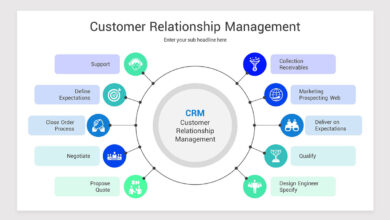
In today’s hyper-competitive business world, staying connected with customers isn’t just important—it’s essential. Enter CRM based products, the powerhouse behind modern customer relationships, sales efficiency, and data-driven decision-making. Let’s dive into how these tools are reshaping business success.
What Are CRM Based Products and Why They Matter

Customer Relationship Management (CRM) based products are software solutions designed to help businesses manage interactions with current and potential customers. These tools centralize customer data, streamline communication, and automate key sales, marketing, and service processes. In an era where customer experience defines brand loyalty, CRM based products are no longer optional—they’re strategic necessities.




Defining CRM Based Products
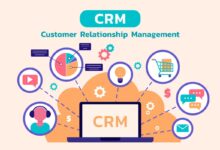
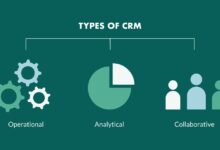
CRM based products encompass a wide range of software platforms that collect, organize, and analyze customer interactions across multiple channels. From lead generation to post-sale support, these systems act as a single source of truth for all customer-related data. Whether cloud-based or on-premise, CRM tools are built to enhance visibility, improve responsiveness, and boost conversion rates.
- They integrate sales, marketing, and customer service functions.
- They track customer behavior, preferences, and engagement history.
- They support automation of repetitive tasks like follow-ups and data entry.
According to Salesforce’s State of Sales Report, high-performing sales teams are 2.2x more likely to use CRM systems than underperformers. This statistic underscores the transformative impact of CRM based products on organizational performance.
Core Objectives of CRM Systems
The primary goal of any CRM based product is to strengthen customer relationships by delivering personalized, timely, and relevant experiences. This is achieved through several key objectives:
- Improving Customer Retention: By tracking customer interactions and preferences, businesses can anticipate needs and deliver proactive service.
- Increasing Sales Efficiency: CRM tools automate lead scoring, pipeline tracking, and task management, enabling sales teams to focus on closing deals.
- Enhancing Marketing ROI: With detailed customer segmentation and campaign analytics, marketing teams can create targeted campaigns that yield higher conversion rates.
“A CRM system is not just a database—it’s a strategic engine for customer-centric growth.” — Gartner Research
Evolution of CRM Technology
CRM systems have evolved significantly since their inception in the 1980s. What began as simple contact management tools has transformed into intelligent, AI-powered platforms capable of predictive analytics and real-time personalization.
- 1980s–1990s: Contact management databases and early sales force automation.
- 2000s: Rise of cloud-based CRM platforms like Salesforce, making CRM accessible to SMEs.
- 2010s–Present: Integration of AI, machine learning, and omnichannel engagement capabilities.
Today’s CRM based products are not just reactive systems—they are proactive advisors, suggesting next-best actions, forecasting sales trends, and identifying churn risks before they materialize.
Top 7 CRM Based Products Dominating the Market
The CRM software market is crowded, but a few standout platforms have earned their place as industry leaders. These CRM based products combine robust functionality, scalability, and user-friendly interfaces to meet the needs of businesses across industries and sizes.
1. Salesforce Sales Cloud
Salesforce is synonymous with CRM. Its Sales Cloud is the most widely adopted CRM based product globally, powering over 150,000 companies. It offers a comprehensive suite of tools for lead and opportunity management, forecasting, and collaboration.
- AI-powered insights via Einstein Analytics.
- Extensive app ecosystem through the AppExchange.
- Strong integration with marketing and service clouds.
Salesforce’s flexibility allows customization for industries ranging from healthcare to financial services. Learn more at Salesforce Sales Cloud Overview.
2. HubSpot CRM
HubSpot CRM is a favorite among small to mid-sized businesses due to its intuitive interface and free tier. It’s more than just a CRM—it’s a full inbound marketing, sales, and service platform.
- Free CRM with unlimited users and contacts.
- Seamless integration with email, calendars, and social media.
- Automation workflows for lead nurturing and follow-ups.
HubSpot’s strength lies in its ecosystem. As businesses grow, they can scale into paid hubs for marketing, sales, and customer service. Explore it at HubSpot CRM.
3. Microsoft Dynamics 365
Microsoft Dynamics 365 is a powerful enterprise-grade CRM based product that integrates seamlessly with Microsoft 365, Azure, and Power BI. It’s ideal for organizations already embedded in the Microsoft ecosystem.
- Deep integration with Outlook, Teams, and Excel.
- AI-driven insights and predictive analytics.
- Customizable modules for sales, customer service, and field service.
Dynamics 365 stands out for its flexibility and security, making it a top choice for regulated industries. Visit Microsoft Dynamics 365 for details.
4. Zoho CRM
Zoho CRM is a cost-effective, feature-rich solution for growing businesses. It offers a high degree of customization and automation without the steep learning curve.
- AI assistant (Zia) for predictive sales forecasting.
- Multi-channel communication (email, phone, social, chat).
- Strong workflow automation and approval processes.
Zoho’s ecosystem includes over 50 integrated business apps, making it a one-stop solution for digital transformation. Learn more at Zoho CRM.
5. Oracle CX Sales
Oracle CX Sales is a robust CRM based product designed for large enterprises with complex sales cycles. It leverages AI and real-time data to optimize sales performance.
- AI-powered recommendations for next steps.
- Integrated CPQ (Configure, Price, Quote) functionality.
- Advanced analytics and territory management.
Oracle’s strength lies in its ability to handle high-volume transactions and global deployments. Discover more at Oracle CX Sales.
6. Pipedrive
Pipedrive is built for sales-focused teams who want a visual, pipeline-driven CRM. Its simplicity and focus on deal management make it ideal for startups and SMBs.
- Drag-and-drop sales pipeline interface.
- Activity reminders and goal tracking.
- Integration with over 400 third-party tools.
Pipedreek’s user-centric design reduces training time and increases adoption. Check it out at Pipedrive.
7. Freshsales (by Freshworks)
Freshsales is a modern CRM based product that combines AI, phone, and email into a unified platform. It’s known for its ease of use and built-in phone system.
- AI-based lead scoring and sentiment analysis.
- Integrated VoIP calling and email tracking.
- Visual deal pipeline and activity timelines.
Freshsales is perfect for teams looking to reduce tool sprawl. Visit Freshsales for a demo.
Key Features to Look for in CRM Based Products
Not all CRM based products are created equal. Choosing the right one requires understanding the core features that drive value. Here are the essential capabilities to evaluate.
Contact and Lead Management
At the heart of every CRM is the ability to store and manage customer and prospect information. Effective contact management includes:
- Centralized database with searchable profiles.
- Custom fields for industry-specific data.
- Duplicate detection and merge tools.
Lead management goes a step further by enabling teams to capture, score, and route leads based on predefined criteria. This ensures high-potential prospects receive timely attention.
Sales Pipeline and Forecasting
A visual sales pipeline helps teams track deals through stages—from initial contact to close. Key features include:
- Drag-and-drop deal movement.
- Stage probability settings for accurate forecasting.
- Real-time pipeline reports and dashboards.
Forecasting tools use historical data and AI to predict revenue, helping leadership make informed decisions.
Automation and Workflow Tools
One of the biggest advantages of CRM based products is automation. Repetitive tasks like follow-up emails, task assignments, and data entry can be automated to save time and reduce errors.
- Workflow builders with conditional logic.
- Automated email sequences and reminders.
- Task creation based on trigger events (e.g., lead conversion).
“Automation in CRM can save up to 6 hours per week for sales reps.” — Nucleus Research
How CRM Based Products Improve Sales Performance
Sales teams are the primary users of CRM based products, and the impact on performance is measurable. From lead prioritization to closing deals, CRM systems empower reps with the right information at the right time.
Lead Prioritization and Scoring
CRM based products use behavioral and demographic data to score leads based on their likelihood to convert. This allows sales teams to focus on high-value prospects.
- Behavioral signals: website visits, email opens, content downloads.
- Demographic fit: job title, company size, industry.
- AI-driven scoring models that improve over time.
This data-driven approach reduces wasted effort and increases conversion rates.
Enhanced Communication Tracking
Every customer interaction—emails, calls, meetings, notes—is logged in the CRM. This creates a complete history that improves continuity and personalization.
- Email integration with Gmail and Outlook.
- Call logging and recording (where compliant).
- Meeting scheduling via calendar sync.
With full context at their fingertips, sales reps can deliver more relevant conversations.
Real-Time Collaboration and Visibility
Modern CRM based products support team collaboration through shared pipelines, activity feeds, and internal commenting.
- Team dashboards showing collective performance.
- Deal collaboration with role-based access.
- Mobile access for remote and field sales teams.
This transparency fosters accountability and enables managers to coach reps more effectively.
The Role of CRM Based Products in Marketing Automation
Marketing teams leverage CRM based products to create targeted, data-driven campaigns that resonate with audiences. The integration between CRM and marketing automation is a game-changer for ROI.
Customer Segmentation and Personalization
CRM data allows marketers to segment audiences based on behavior, demographics, and purchase history.
- Create dynamic lists for email campaigns.
- Personalize subject lines, content, and offers.
- Trigger automated journeys based on user actions.
Personalized emails generate 6x higher transaction rates, according to Campaign Monitor.
Lead Nurturing and Drip Campaigns
CRM based products enable automated drip campaigns that guide prospects through the buyer’s journey.
- Send educational content to new leads.
- Re-engage inactive contacts with special offers.
- Nurture MQLs (Marketing Qualified Leads) until they’re sales-ready.
These campaigns build trust and keep brands top-of-mind.
Marketing Analytics and ROI Measurement
With CRM integration, marketers can track campaign performance from click to close.
- Attribute revenue to specific campaigns.
- Measure conversion rates by channel and segment.
- Optimize budget allocation based on performance data.
This closed-loop reporting is essential for proving marketing’s impact on revenue.
CRM Based Products and Customer Service Excellence
Exceptional customer service is a key differentiator, and CRM based products play a crucial role in delivering consistent, efficient support.
360-Degree Customer View
Service agents need instant access to a customer’s entire history—past purchases, support tickets, preferences, and interactions.
- Unified customer profiles with all touchpoints.
- Quick access to previous conversations and resolutions.
- Contextual information for personalized service.
This holistic view reduces resolution time and improves satisfaction.
Case Management and Ticketing
CRM systems streamline support workflows with ticket creation, assignment, and escalation rules.
- Automated ticket routing based on issue type or agent expertise.
- SLA (Service Level Agreement) tracking for response times.
- Knowledge base integration for self-service.
Efficient case management ensures no customer query falls through the cracks.
Omnichannel Support Integration
Today’s customers expect support across email, phone, chat, social media, and self-service portals. CRM based products unify these channels into a single interface.
- Live chat integration with real-time visitor tracking.
- Social media monitoring and response tools.
- Mobile apps for on-the-go support.
This omnichannel approach enhances accessibility and responsiveness.
Choosing the Right CRM Based Product for Your Business
Selecting the best CRM based product requires careful evaluation of your business needs, budget, and long-term goals. A one-size-fits-all approach rarely works.
Assessing Business Size and Complexity
Small businesses may benefit from lightweight, affordable CRMs like HubSpot or Zoho, while large enterprises may require scalable, customizable platforms like Salesforce or Microsoft Dynamics.
- SMBs: Prioritize ease of use and quick setup.
- Enterprises: Focus on security, compliance, and integration capabilities.
- Mid-market: Balance functionality with cost-effectiveness.
Consider future growth—will the CRM scale with your team and data volume?
Integration with Existing Tools
A CRM should enhance, not disrupt, your current tech stack. Evaluate compatibility with:
- Email and calendar platforms (Gmail, Outlook).
- Marketing tools (Mailchimp, LinkedIn Ads).
- ERP and accounting software (QuickBooks, SAP).
API availability and pre-built connectors are critical for seamless integration.
User Adoption and Training
Even the most powerful CRM based product fails if users don’t adopt it. Prioritize platforms with intuitive interfaces and strong onboarding support.
- Look for vendors offering training resources and customer support.
- Involve end-users in the selection process.
- Start with core features and expand gradually.
High user adoption leads to better data quality and system utilization.
Future Trends in CRM Based Products
The CRM landscape is evolving rapidly, driven by AI, mobile technology, and changing customer expectations. Staying ahead means understanding the trends shaping the future.
Artificial Intelligence and Predictive Analytics
AI is no longer a luxury—it’s a core component of modern CRM based products. From chatbots to predictive lead scoring, AI enhances decision-making and efficiency.
- AI-powered virtual assistants for customer service.
- Predictive churn modeling to retain at-risk customers.
- Natural language processing for sentiment analysis.
According to Gartner, by 2025, 50% of customer service interactions will be handled by AI.
Mobile-First CRM Experiences
With remote work and field sales on the rise, mobile CRM access is essential. Future CRM based products will prioritize mobile UX with offline capabilities and voice input.
- Mobile apps with full functionality.
- Offline data access and sync.
- Voice-to-text for quick note-taking.
Mobile CRM usage has grown by 300% over the past five years, per Statista.
Hyper-Personalization and Customer Journey Mapping
Customers expect personalized experiences at every touchpoint. CRM based products will increasingly focus on mapping and optimizing the entire customer journey.
- Journey analytics to identify friction points.
- Real-time personalization engines.
- Integration with CDPs (Customer Data Platforms) for unified data.
The future of CRM is not just managing relationships—it’s anticipating needs before they arise.
What are CRM based products?
CRM based products are software platforms that help businesses manage customer interactions, streamline sales processes, and improve marketing and service efforts by centralizing customer data and automating workflows.
Which CRM based product is best for small businesses?
HubSpot CRM and Zoho CRM are excellent choices for small businesses due to their affordability, ease of use, and robust free tiers with essential features.
How do CRM systems improve customer service?
CRM based products improve customer service by providing a 360-degree view of the customer, enabling faster issue resolution, supporting omnichannel communication, and automating case management.
Can CRM based products integrate with other tools?
Yes, most modern CRM based products offer extensive integration capabilities with email, marketing automation, ERP, and productivity tools via APIs and native connectors.
Are CRM systems worth the investment?
Absolutely. Studies show that CRM systems can increase sales by up to 29%, improve customer retention by 27%, and boost marketing ROI by 300%, making them a high-value investment.
CRM based products have evolved from simple contact managers to intelligent, integrated platforms that drive growth across sales, marketing, and customer service. Whether you’re a startup or a global enterprise, the right CRM can transform how you engage with customers. By understanding the key features, evaluating top options, and anticipating future trends, businesses can make informed decisions that deliver lasting value. The future of customer relationships is digital, data-driven, and deeply personalized—powered by CRM based products.
Further Reading: